Unlocking Creativity with Open Book and Colorful Letters: A Guide to Quality Digital Assets
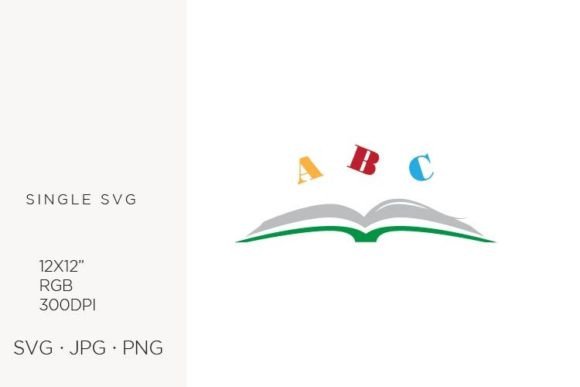
In the rapidly evolving world of digital design, the difference between a project that feels amateurish and one that commands attention often lies in the quality of the assets used. Open Book and Colorful Letters represents more than just a simple graphic; it is a versatile design element that bridges the gap between whimsical storytelling and professional presentation. Whether you are crafting a logo for a new bookstore, designing an invitation for a literary-themed party, or creating educational materials for young readers, understanding how to properly utilize these assets is crucial.
Many creators, from seasoned freelancers to enthusiastic hobbyists, rush into downloading and using digital graphics without fully understanding the technical specifications. This oversight can lead to frustrating results, such as pixelated prints or files that are incompatible with specific software. By taking a moment to understand the nuances of vector versus raster formats, resolution requirements, and color profiles, you can ensure your final output matches your creative vision.
The Importance of File Formats and Resolution
One of the most common misunderstandings among beginners is treating all image files as equal. When you acquire a set like Open Book and Colorful Letters, you will typically receive multiple file types, including SVG, JPG, and PNG. Knowing when to use each is vital for maintaining quality.
The SVG (Scalable Vector Graphics) format is perhaps the most valuable asset in this collection. Created in Adobe Illustrator, vector files are mathematically defined rather than pixel-based. This means you can scale the open book icon or the colorful typography from the size of a business card to a large wall mural without any loss of clarity. If you are designing logos, web elements, or large-format prints, always prioritize the SVG file. It ensures crisp edges and professional polish, regardless of the dimensions.
Conversely, JPG and PNG files are raster images. The provided assets come with a resolution of 300 DPI (dots per inch) at an artboard size of 12 x 12 inches. This specification is ideal for standard printing needs, such as handmade cards, stationery, and invitations. However, a frequent mistake is attempting to enlarge these raster files beyond their original dimensions. Doing so results in pixelation, where the image appears blocky and blurred. Always check your canvas size before placing a PNG or JPG to ensure it fits within the 12 x 12 boundary or scales down, never up.
Navigating Color Profiles for Consistent Results
Another area where creators often stumble is color management. The Open Book and Colorful Letters files are provided in the RGB color palette. RGB (Red, Green, Blue) is the standard for digital screens, making these files perfect for web design, social media graphics, email newsletters, and digital invitations. The colors will appear vibrant and true to life on smartphones, tablets, and monitors.
However, if your goal is physical production—such as printed paper items, party decor, or jewelry packaging—you must be cautious. Most professional printers use the CMYK (Cyan, Magenta, Yellow, Key/Black) color model. While modern printers can handle RGB files, the colors may shift during the conversion process, often resulting in duller or darker tones than expected. To avoid disappointment, it is advisable to convert your RGB files to CMYK within your design software before sending them to print, or to request a proof from your printer. This small step ensures that the colorful letters retain their vibrancy on paper.
Avoiding Common Design Pitfalls
Beyond technical specifications, there are aesthetic and practical considerations that can make or break your project. Here are some common pitfalls and how to avoid them:
- Overcrowding the Composition: The charm of Open Book and Colorful Letters lies in its playful yet clean design. A common error is cluttering the workspace with too many additional elements. Allow the graphic to breathe by using ample white space. This approach enhances readability and draws the viewer’s eye directly to the central motif.
- Ignoring Contextual Relevance: While these graphics are versatile, they carry a specific tone—educational, creative, and inviting. Using them for a corporate financial report or a somber announcement may create a disconnect. Ensure the whimsical nature of the colorful letters aligns with your brand voice or the event’s atmosphere.
- Neglecting Layer Management: When working with SVG files in programs like Adobe Illustrator or compatible web editors, the elements are often grouped. Beginners sometimes struggle to recolor individual letters or parts of the book because they attempt to edit the group as a single object. Take the time to ungroup elements if you wish to customize colors to match your specific brand palette.
Maximizing Versatility Across Projects
The true value of high-quality digital assets is their adaptability. The Open Book and Colorful Letters collection is not limited to a single use case. Consider how these elements can elevate various projects:
- Branding and Identity: Use the vector SVG to create a unique logo for a literacy nonprofit, a children’s library program, or a creative writing workshop. The scalability ensures your logo looks sharp on both website headers and embroidered merchandise.
- Educational Materials: Teachers and homeschooling parents can incorporate these graphics into worksheets, classroom posters, and reward charts. The bright colors engage young learners, while the open book symbol reinforces the value of reading.
- Handmade Crafts and Stationery: For those who enjoy DIY projects, these designs can be printed on high-quality cardstock for handmade cards or cut using vinyl cutting machines (if converted appropriately) for decals and stickers. The 300 DPI resolution ensures that printed details remain crisp.
- Digital Marketing: Bloggers and marketers can use the PNG files with transparent backgrounds to create eye-catching featured images for articles about literature, education, or creativity. The transparent background allows for seamless integration into various website themes.
Final Checks Before You Create
Before you begin your next project, take a moment to evaluate your needs. Ask yourself: Is this for screen or print? Do I need to resize the image significantly? What is the primary emotion I want to convey? By answering these questions, you can select the appropriate file format and color profile from the start.
Remember, tools like Adobe Illustrator provide powerful capabilities for editing vector files, but even simpler platforms can utilize the JPG and PNG versions effectively if used within their resolution limits. The key is intentionality. When you respect the technical boundaries of your digital assets, you free yourself to focus on the creative possibilities.
By avoiding common mistakes regarding resolution, color space, and composition, you ensure that Open Book and Colorful Letters serves as a strong foundation for your work. Whether you are a small business owner looking to enhance your packaging or an educator creating engaging content, these guidelines will help you achieve professional, satisfying results every time.