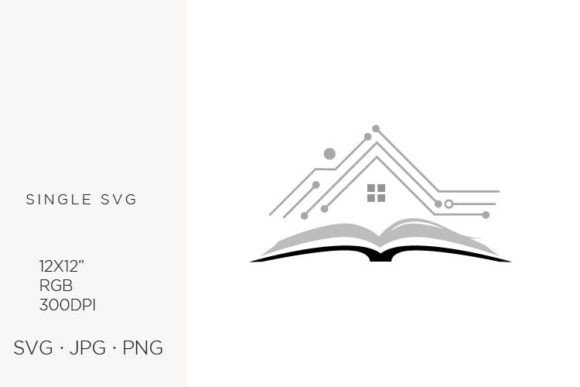
Merging Analog Warmth with Digital Precision: The Open Book and Circuit Board House Aesthetic
In the rapidly evolving landscape of digital design, a fascinating juxtaposition has emerged that captures the imagination of creators across industries. It is the visual dialogue between the organic, tactile history represented by an Open Book and the sleek, interconnected future symbolized by a Circuit Board House. This combination is not merely a stylistic choice; it represents a broader cultural shift toward integrating traditional knowledge with modern technology. For designers, entrepreneurs, and hobbyists alike, mastering this aesthetic requires more than just creative intuition—it demands technical precision and the right tools.
The demand for high-quality, versatile digital assets has never been higher. Whether you are crafting a brand identity for a tech-forward educational startup or designing handmade wedding invitations with a geek-chic twist, the foundation of your project lies in the quality of your source files. Understanding the specifications—such as an artboard size of 12 x 12 inches, a resolution of 300 DPI, and an RGB color palette—is crucial for ensuring your designs translate seamlessly from screen to print and back again.
The Symbolism Behind the Design Trend
Why are we seeing a surge in imagery that blends literary classics with electronic architecture? The answer lies in our collective desire for balance. The Open Book serves as a universal symbol for learning, storytelling, and human connection. It evokes nostalgia and warmth. Conversely, the Circuit Board House represents structure, innovation, and the digital infrastructure that supports modern life. When these two elements are combined, they tell a story of harmony between the past and the future.
This trend is particularly relevant for educators, tech companies, and creative agencies looking to humanize their brands. A logo that features a house made of circuits emerging from the pages of a book suggests that technology is built upon a foundation of knowledge. It implies that while methods change, the core value of information remains constant. For marketers and bloggers, using such imagery can help communicate complex ideas about digital literacy, smart homes, or e-learning platforms in a way that feels accessible rather than intimidating.
Technical Specifications: Why Format Matters
Creating impactful designs requires more than just a good concept; it requires the right technical setup. The digital graphics elements discussed here are crafted with specific parameters to ensure maximum versatility. Let’s break down why these specifications matter for your workflow.
- Artboard Size 12 x 12: This square format is incredibly versatile. It is ideal for social media posts on platforms like Instagram, where square images perform well. It also works perfectly for coaster designs, CD covers, and symmetrical logo layouts. Starting with a balanced canvas allows for easier adaptation into other aspect ratios later.
- Resolution 300 DPI: Dots Per Inch (DPI) is critical for print quality. While 72 DPI is standard for web viewing, 300 DPI is the industry standard for professional printing. Whether you are creating stationery, invitations, or wall art, this high resolution ensures that lines remain crisp and colors stay vibrant, avoiding the pixelation that plagues lower-quality images.
- RGB Color Palette: Red, Green, Blue (RGB) is the color model used for digital screens. Since these files are primarily designed for digital use—such as web design, app interfaces, and social media graphics—RGB ensures that the colors appear bright and accurate on monitors, smartphones, and tablets.
However, the true power of these assets lies in their file formats. The files are made in a vector program, specifically Adobe Illustrator, which offers distinct advantages over raster-based editing tools.
The Power of Vector Graphics in Modern Workflows
Vector graphics are defined by mathematical equations rather than pixels. This means they can be scaled infinitely without losing quality. When you download files in SVG (Scalable Vector Graphics), JPG, and PNG formats, you are getting a comprehensive toolkit for various applications.
The SVG format is essential for web developers and UI/UX designers. Because SVGs are code-based, they load quickly and remain sharp on any device, from a small smartwatch screen to a large desktop monitor. They are also editable via CSS, allowing for dynamic color changes and animations directly in the browser. For a Circuit Board House icon, this means you can change the color of the "circuits" to match your brand’s hover state effortlessly.
On the other hand, PNG files with transparent backgrounds are indispensable for graphic designers working on composite images. If you are creating a party decor item or a handmade card, you need to layer the Open Book element over different textures or colors without a white box surrounding it. PNGs provide this transparency, making them perfect for overlays in digital invitations or printed announcements.
JPG files, while not supporting transparency, offer smaller file sizes and are universally compatible. They are ideal for quick previews, email attachments, or situations where file size is a constraint, such as loading images on a mobile-heavy website.
Practical Applications for Creators and Businesses
The versatility of these digital elements opens up a wide array of creative possibilities. Here is how different professionals can leverage these assets:
- Logo Design and Branding: Entrepreneurs launching ed-tech startups or co-working spaces can use the Circuit Board House to create a memorable logo. The vector nature of the file allows for easy adjustment of line weights and colors to fit brand guidelines.
- Wall Art and Home Decor: Interior designers and DIY enthusiasts can use the high-resolution 300 DPI files to print large-scale wall art. The contrast between the mechanical precision of the circuit board and the organic shape of the book creates a striking visual focal point in modern offices or libraries.
- Stationery and Invitations: For weddings, corporate events, or graduation parties, these elements can be incorporated into custom stationery. Imagine a graduation announcement where the diploma is framed by circuit-like vines, symbolizing the graduate’s readiness for a digital future.
- Handmade Crafts and Jewelry: Crafters using laser cutters or vinyl plotters will find the SVG format invaluable. You can import the vector paths directly into cutting software to create intricate jewelry pieces, keychains, or decorative embellishments for handmade cards.
- Web and Graphic Design: Bloggers and web designers can use these elements as hero images, section dividers, or icons. The clean lines of the vector graphics ensure that websites look professional and load efficiently.
Adapting to Changing User Expectations
Today’s audiences are visually literate and discerning. They expect high-quality, cohesive visuals across all touchpoints. A blurry logo or a pixelated image on a website can undermine credibility instantly. By utilizing professionally created assets with proper resolution and format diversity, creators signal attention to detail and professionalism.
Moreover, there is a growing appreciation for hybrid aesthetics. Consumers are drawn to brands that acknowledge both heritage and innovation. The Open Book and Circuit Board House motif resonates because it validates the user’s dual identity: they are readers, thinkers, and dreamers, but they are also digital natives, tech users, and modern professionals. Designs that reflect this duality foster a deeper emotional connection with the audience.
In conclusion, whether you are a freelancer designing a client’s brand identity, a teacher creating engaging classroom materials, or a hobbyist making personalized gifts, the quality of your source files dictates the success of your final product. By leveraging vector-based Adobe Illustrator files in SVG, JPG, and PNG formats, you ensure that your creative vision is executed with precision. Embrace the blend of analog charm and digital efficiency, and let your designs tell a story that bridges the gap between tradition and tomorrow.