Mastering Gnome Cactus Sublimation: A Guide to High-Quality Prints and Smart Design Choices
The charm of whimsical garden gnomes paired with the rugged texture of desert cacti has created a unique niche in the crafting world. This specific aesthetic, often referred to as Gnome Cactus Sublimation, appeals to creators who want to blend rustic humor with modern botanical trends. Whether you are designing for a small business, creating personalized gifts, or developing branding materials, understanding the technical nuances of this art style is crucial. Many beginners rush into printing without verifying file specifications, leading to wasted materials and disappointing results. By focusing on quality assets and proper preparation, you can ensure your final products look professional and vibrant.
Understanding the Appeal and Utility
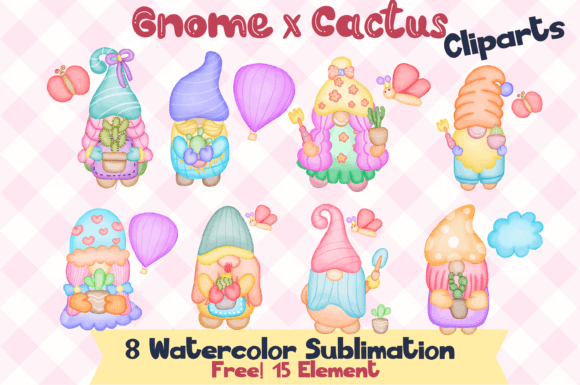
These illustrations are great for invitations, cards, wallpaper, packaging, branding, web sites, social media etc. You can combine any elements of the set and create your own holiday cards and unique compositions. The versatility of this theme allows it to cross over from simple home decor to sophisticated marketing materials. For entrepreneurs, using high-resolution gnome and cactus graphics can differentiate a brand in a crowded marketplace. The juxtaposition of the sturdy, protective cactus with the playful, folklore-inspired gnome creates an emotional connection with customers who appreciate both nature and nostalgia.
However, the success of these projects relies heavily on the source material. A common misunderstanding is that any image found online will work for sublimation. In reality, sublimation printing requires specific file attributes to transfer ink correctly onto polyester-coated surfaces. Without the right resolution and format, even the cutest design will appear pixelated or washed out.
Common Pitfalls in File Selection
One of the most frequent mistakes creators make is ignoring the DPI (dots per inch) requirement. When evaluating digital assets for Gnome Cactus Sublimation, always check if the file is at least 300 DPI. Images saved at 72 DPI, which is standard for web viewing, will look sharp on a screen but will break apart when printed on a mug, t-shirt, or tote bag. This error affects the perceived quality of your product and can damage your reputation if you are selling items to customers.
Another overlooked detail is the background transparency. Many free or low-cost clipart sets come with white backgrounds. If you attempt to sublimate these directly onto colored blanks, you will end up with a visible white box around your gnome or cactus. This looks unprofessional and limits your design options. To avoid this, ensure you are using files with transparent backgrounds, typically in PNG format. This allows the design to blend seamlessly with the substrate color, giving you greater creative freedom.
The Importance of Dimensions and Scalability
Size matters significantly in sublimation. A file that is 500px by 500px might be sufficient for a small sticker, but it is entirely inadequate for a full-wrap mug or a large poster. When downloading or purchasing Gnome Cactus Sublimation assets, look for dimensions that match or exceed your intended print size. Ideally, you want files that are 3000px x 3000px or approximately 10″x10″ at 300 DPI. This size provides enough data to scale down for smaller items like keychains or coasters without losing clarity, while still being large enough for medium-sized apparel or home decor.
If you try to upscale a small image using basic software, you will introduce artifacts and blurriness. It is far better to start with a high-resolution source file. Check the file details before purchase or download. If the seller does not list the pixel dimensions or DPI, ask for clarification. Reputable creators will provide this information upfront because they understand the technical needs of sublimation artists.
Optimizing Your Workflow for Better Results
Once you have secured high-quality files, the next step is efficient usage. Many users download entire bundles but fail to organize them, leading to time wasted searching for specific elements during tight deadlines. Create a structured folder system on your computer. Separate your Gnome Cactus Sublimation files by theme, such as "Holiday," "Birthday," or "General Decor." This organization helps you quickly locate the right gnome pose or cactus variety when you are in the flow of creation.
Additionally, consider the compatibility of your design software. While PNG files are universally compatible, some advanced editing features may require vector formats like SVG or EPS. However, for most sublimation tasks involving detailed illustrations, high-resolution PNGs are the industry standard. Ensure your design program supports layer management so you can combine different elements from the set. For instance, you might want to place a gnome holding a specific type of cactus against a custom background. Being able to manipulate these layers independently is essential for creating unique compositions.
Practical Advice for Commercial Use
If you plan to sell products featuring these designs, you must verify the licensing terms. Not all digital downloads allow for commercial use. Some are strictly for personal projects. Using a personal-use license for commercial sales can lead to legal issues and cease-and-desist orders. Always read the license agreement included with your Gnome Cactus Sublimation pack. Look for clear statements regarding "commercial use," "print-on-demand," and "physical product sales."
Furthermore, test your prints before committing to a large batch. Sublimation ink behaves differently on various substrates. A design that looks perfect on a polyester shirt might look slightly different on a ceramic coaster due to heat press temperature and time variations. Create a sample run using your specific equipment settings. Check for color accuracy, particularly with the greens of the cacti and the earthy tones of the gnomes. Adjust your color profile if necessary to ensure the final product matches your digital proof.
- Check Resolution: Ensure files are 300 DPI to prevent pixelation.
- Verify Transparency: Use PNGs with transparent backgrounds for flexible design.
- Confirm Dimensions: Aim for 3000px x 3000px for versatile scaling.
- Review Licensing: Confirm commercial rights if selling finished goods.
- Test Prints: Run samples to calibrate heat press settings and color output.
Enhancing Creativity with Modular Elements
The true value of a well-designed asset pack lies in its modularity. Instead of using pre-made compositions exactly as they are, mix and match elements. Take the hat from one gnome and place it on another, or pair a blooming cactus with a sleeping gnome. This approach allows you to create endless variations from a single set, keeping your product line fresh without constantly buying new graphics. It also helps you develop a unique brand identity, as your combinations will be distinct from other sellers using the same base assets.
Remember that consistency in style is key. When combining elements, ensure they share the same artistic style, line weight, and color palette. Mismatched styles can look disjointed and amateurish. If the Gnome Cactus Sublimation set is cohesive, sticking to its internal logic will yield the best results. Pay attention to lighting directions and shadow details within the illustrations to maintain realism and visual harmony.
In conclusion, succeeding with Gnome Cactus Sublimation requires more than just a cute image. It demands attention to technical details like resolution, file format, and licensing. By avoiding common pitfalls such as using low-DPI images or ignoring transparency, you can produce high-quality, professional-grade products. Take the time to organize your assets, test your printing process, and creatively combine elements to stand out in the market. With the right approach, these charming illustrations can become a cornerstone of your creative portfolio or business offerings.