Hand Drawn Floral Decorative Element 05
In the saturated world of digital design, authenticity has become a rare and valuable currency. Audiences are increasingly drawn to visuals that feel human, tactile, and imperfectly perfect. This is where Hand Drawn Floral Decorative Element 05 steps in, offering a bridge between raw artistic expression and polished professional utility. Unlike rigid vector shapes or sterile stock illustrations, this asset carries the subtle irregularities of a pen moving across paper. It is not just a graphic; it is a mood setter. For designers, marketers, and small business owners looking to infuse their projects with warmth and organic charm, understanding how to leverage these hand-drawn nuances can significantly elevate brand perception.
The Aesthetic Appeal of Organic Imperfection
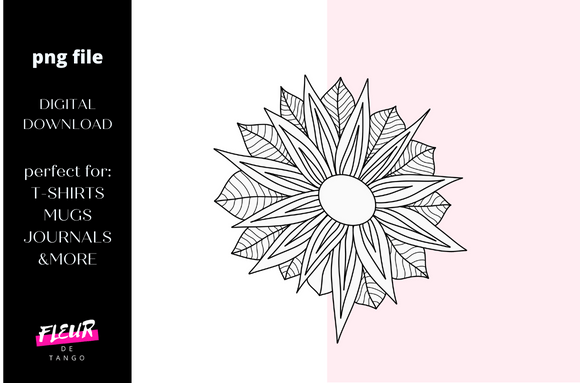
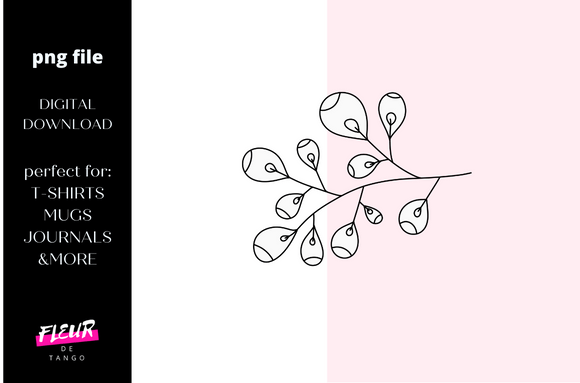
The visual character of Hand Drawn Floral Decorative Element 05 is defined by its simplicity and elegance. It avoids the clutter often found in complex botanical illustrations, focusing instead on clean lines and balanced compositions. The strokes vary slightly in weight, mimicking the natural pressure changes of a real drawing tool. This subtlety is crucial. It prevents the element from looking like a cheap clip-art addition and instead positions it as a bespoke piece of art.
When we talk about esthetic appeal in modern typography and graphic design, we are often referring to the emotional response a visual triggers. These floral motifs trigger feelings of calm, growth, and approachability. They are versatile enough to complement a wide range of styles, from minimalist modernism to rustic vintage. Because the lines are hand-drawn, they possess a certain fluidity that rigid geometric shapes lack. This makes them particularly effective when paired with both serif fonts for a classic look or sans serif fonts for a contemporary contrast.
The inclusion of leaves and delicate blooms creates a natural frame or accent that guides the viewer’s eye without overwhelming the primary message. In editorial design, such elements are often used to break up text blocks or highlight pull quotes. In packaging design, they add a layer of tactile quality that suggests care and craftsmanship. The key takeaway here is that the element serves the content, enhancing it rather than competing with it.
Versatility Across Creative and Commercial Projects
One of the most compelling aspects of this asset is its adaptability. You receive a single zip file containing transparent PNG files, which might seem simple, but it offers immense practical value. Transparency means you can drop these elements onto any background color or texture without worrying about awkward white boxes or complex masking tasks in Photoshop or Illustrator. Here is how different professionals can integrate these decorative elements into their workflow:
- Brand Identity and Logo Design: For businesses in the wellness, beauty, or artisanal food sectors, incorporating hand-drawn florals can soften a logo’s appearance. It signals that the brand is approachable and grounded. When used in logo design, these elements should be scaled appropriately to ensure they remain legible at smaller sizes, such as on social media avatars.
- Web Design and Social Media Graphics: In digital spaces, attention spans are short. A delicate floral corner piece can frame a call-to-action button or highlight a testimonial. It adds visual interest to otherwise flat web layouts. For social media graphics, these elements can be used to create cohesive templates for Instagram stories or Pinterest pins, reinforcing brand consistency.
- Print Materials and Invitations: This is perhaps the most natural habitat for hand-drawn art. Wedding invitations, birthday cards, and business cards benefit immensely from the personal touch of ink-on-paper aesthetics. The creative font pairings you choose here matter greatly. A flowing script font combined with these floral elements creates a romantic narrative, while a bold display font can create a striking, modern invitation suite.
- Publishing and Journaling: Book covers and journal interiors require elements that evoke emotion before a single word is read. A floral accent on a chapter header or a journal cover can suggest themes of nature, reflection, or growth. It helps in establishing the tone of the publication immediately.
The utility extends beyond mere decoration. These elements act as visual anchors. In a busy web design layout, a well-placed leaf or bloom can guide the user’s eye down the page, improving the flow of information. In marketing materials, they can highlight key benefits or separate sections, making the content more digestible.
Strategic Implementation and Design Best Practices
While the asset is ready to use, strategic implementation ensures it delivers maximum impact. Many beginners make the mistake of overusing decorative elements, cluttering the design and diluting the message. To avoid this, consider the principle of negative space. Let the floral elements breathe. Use them sparingly to accentuate, not dominate.
Font pairing is another critical consideration. Since Hand Drawn Floral Decorative Element 05 has an organic, free-flowing nature, it pairs beautifully with structured typefaces. If you are using a handwritten font for your headline, ensure it is distinct enough from the floral lines so they do not blend into each other. Conversely, pairing these florals with a clean, geometric modern typography choice creates a sophisticated tension that is very popular in current design trends. This contrast highlights the humanity of the hand-drawn element against the precision of the digital type.
Readability must never be compromised for aesthetics. When placing these elements near text, ensure there is sufficient contrast. If the floral lines are thin and light, avoid placing them over busy backgrounds or dark text where they might get lost. The transparent PNG format helps, but you still need to be mindful of color harmony. Muted earth tones often work well with hand-drawn botanicals, but don’t be afraid to experiment with bold colors if your brand identity calls for it.
From a technical standpoint, working with PNGs is straightforward, but remember that they are raster images. While they are high resolution, scaling them up significantly beyond their original size may result in pixelation. Always check the resolution provided in the zip file. For most print projects like business cards and invitations, standard high-res PNGs are sufficient, but for large-format prints like banners, you might need to verify the DPI (dots per inch) to ensure crisp edges.
Finally, consider the licensing. As a commercial font and design asset user, you likely want to use these elements in client work or products for sale. Ensure that the license included with the download permits commercial use. Most premium design assets do, but it is always wise to double-check. Using licensed design assets correctly protects your business and respects the creator’s work.
Incorporating Hand Drawn Floral Decorative Element 05 into your toolkit is more than just adding a pretty picture. It is a strategic decision to humanize your brand. Whether you are crafting a delicate invitation, designing a calming website, or packaging an artisanal product, these elements provide the subtle touch of elegance and authenticity that modern audiences crave. By balancing these organic shapes with thoughtful typography and ample white space, you create designs that are not only visually appealing but also emotionally resonant.