Visualizing Knowledge: The Strategic Value of Human Brain and Open Book Graphics in Modern Design
In the contemporary landscape of digital communication, visual metaphors serve as powerful shortcuts for complex ideas. Among the most enduring and versatile symbols is the combination of a Human Brain and Open Book. This imagery transcends mere decoration; it represents the intersection of innate cognitive potential and acquired knowledge. For professionals, creators, and entrepreneurs, understanding how to leverage this specific graphic element can significantly enhance brand messaging, educational materials, and marketing campaigns. The demand for high-quality, scalable assets that depict this concept has grown alongside the need for clear, impactful visual storytelling across various media platforms.
The Symbolism Behind the Imagery
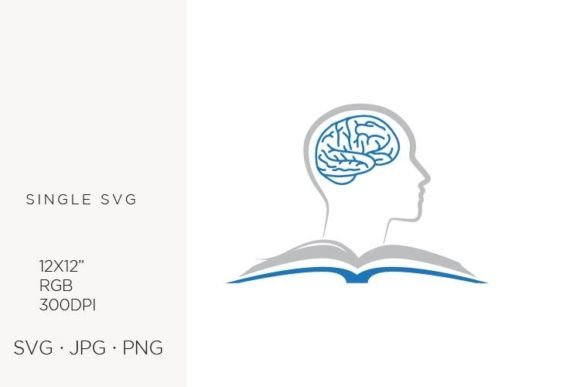
The Human Brain and Open Book motif is not arbitrary. It speaks directly to the core values of education, intelligence, innovation, and mental growth. The brain symbolizes processing power, creativity, and biological capability, while the open book represents history, learning, data, and structured information. When combined, they suggest a holistic approach to wisdom: the fusion of raw intellect with studied expertise. This duality resonates deeply with audiences in sectors ranging from academic publishing to tech startups, where the ability to process information efficiently is a key competitive advantage.
Creators often seek this imagery to convey trust and authority. In an era where information overload is common, visuals that promise clarity and structured learning stand out. By utilizing a well-designed vector-based representation of these elements, designers can communicate sophistication and depth without relying on lengthy textual explanations. The visual immediate impact helps capture attention in crowded digital spaces, making it an essential tool for modern marketers.
Technical Precision Meets Creative Flexibility
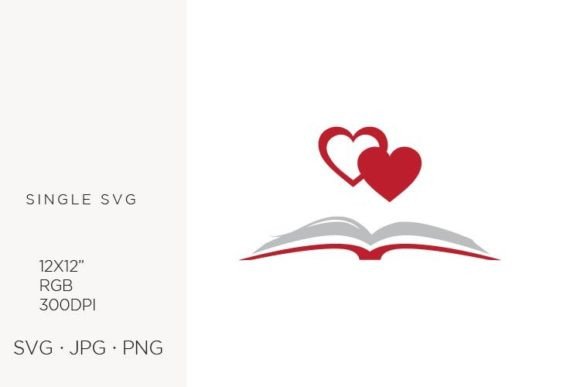
The utility of any digital asset depends heavily on its technical foundation. High-quality graphics of the Human Brain and Open Book are typically crafted in professional vector programs such as Adobe Illustrator. This ensures that the artwork remains crisp and clean regardless of scale. The standard specifications for these premium files often include an artboard size of 12 x 12 inches at a resolution of 300 dpi, utilizing the RGB color palette. These technical details are crucial for ensuring versatility across different mediums.
Files are generally provided in multiple formats to accommodate diverse workflow needs:
- SVG (Scalable Vector Graphics): Ideal for web design and responsive layouts, allowing for infinite scaling without loss of quality.
- JPG (Joint Photographic Experts Group): Suitable for quick previews, social media posts, and contexts where transparency is not required.
- PNG (Portable Network Graphics): Perfect for designs requiring transparent backgrounds, enabling seamless integration into complex compositions.
Because these elements are made in a vector program, they offer unparalleled flexibility. Designers can easily adjust colors to match brand guidelines, modify line weights, or isolate specific components of the illustration. This adaptability is vital for maintaining brand consistency across various touchpoints, from mobile apps to large-format prints.
Applications Across Industries and Mediums
The relevance of the Human Brain and Open Book graphic extends far beyond traditional educational contexts. Its application is broad, reflecting the universal value placed on knowledge and cognitive enhancement. Here is how professionals are integrating these digital graphics elements into their projects:
Branding and Identity
Entrepreneurs and consultants often use this imagery to create distinctive logo designs. A stylized brain emerging from or interacting with a book can serve as a memorable mark for tutoring services, psychological practices, think tanks, or literary agencies. The vector nature of the file ensures that the logo looks sharp on business cards as well as on building signage.
Educational and Corporate Training Materials
In the corporate sector, learning and development teams utilize these graphics to design engaging stationery, invitations, and announcements for workshops and seminars. The visual reinforces the purpose of the event: intellectual growth. Handmade cards and printed paper items featuring this motif add a personal, thoughtful touch to employee recognition programs or academic achievements.
Digital and Web Design
Web designers incorporate these elements into hero sections, blog headers, and infographic components. The clean lines of vector art load quickly and render beautifully on high-resolution screens. Whether used as a background pattern or a focal point, the imagery supports content related to productivity, mental health, and skill acquisition.
Craft and Physical Products
The trend of personalized, handmade items has surged among consumers. Crafters use these digital files to create unique wall art, jewelry, and party decor. For instance, a laser-cut wooden piece based on the SVG file can become a striking home decor item for a study or library. Similarly, sublimation printing on mugs or tote bags allows enthusiasts to carry a symbol of their love for learning into their daily lives.
Aligning with Broader Market Trends
The popularity of the Human Brain and Open Book graphic aligns with several significant societal shifts. First, there is a growing emphasis on lifelong learning. As technology evolves rapidly, professionals must continuously upskill. Visuals that celebrate learning resonate with this audience, validating their efforts to stay relevant. Second, the rise of the creator economy has democratized design. Freelancers and small business owners now have access to professional-grade assets that were once reserved for large agencies. This accessibility allows for higher quality branding at a lower cost.
Furthermore, the focus on mental wellness and cognitive health has brought the brain into the mainstream cultural conversation. Combining it with a book softens the clinical aspect, framing mental agility as something nurtured through reading and study. This nuanced approach appeals to a broader demographic, including parents, students, and retirees interested in brain health.
Enhancing Workflow Efficiency
For designers and marketers, time is a critical resource. Using pre-made, high-quality vector elements streamlines the creative process. Instead of starting from scratch, professionals can integrate these ready-to-use assets into their workflows. This efficiency does not compromise originality; rather, it allows creators to focus on customization and strategic placement. The ability to quickly generate variations for A/B testing in marketing campaigns is another significant advantage.
Moreover, the consistency provided by a cohesive set of graphics helps build brand recognition. When a company uses the same style of illustration across its website, social media, and printed materials, it creates a unified visual identity. This coherence fosters trust and professionalism, which are essential for converting prospects into clients.
Conclusion
The Human Brain and Open Book graphic is more than just a decorative element; it is a strategic tool for communication. Its ability to convey complex ideas about knowledge, intelligence, and growth makes it invaluable across numerous industries. By leveraging high-quality vector files created in Adobe Illustrator, professionals can ensure their designs are versatile, scalable, and visually compelling. Whether used for logo design, wall art, web interfaces, or educational materials, this imagery connects with audiences on a fundamental level. As the demand for clear, meaningful visual content continues to rise, mastering the use of such symbolic graphics will remain a key skill for creators and entrepreneurs alike. Embracing these resources allows for greater creativity, efficiency, and impact in an increasingly visual world.