Integrating Golden Line Created Grizzly Bear Assets into Professional Design Workflows
In the fast-paced world of digital content creation, the quality and versatility of your source assets determine the efficiency of your final output. Whether you are a graphic designer refining a brand identity, a small business owner creating marketing materials, or an educator developing engaging classroom resources, starting with high-quality vector graphics is non-negotiable. The Golden Line Created Grizzly Bear represents a specific tier of digital asset designed to bridge the gap between artistic expression and technical precision. This is not merely a static image; it is a foundational element built for scalability, adaptability, and professional integration across multiple mediums.
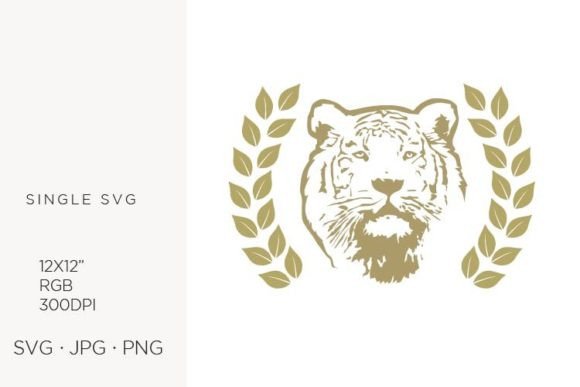
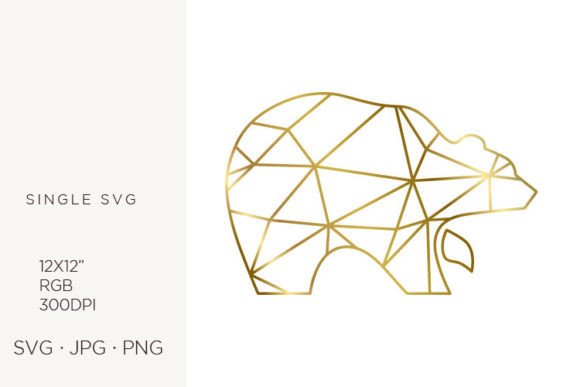
Understanding how to leverage this specific asset requires looking beyond its visual appeal and examining its technical architecture. Created in Adobe Illustrator with an artboard size of 12 x 12 inches at 300 DPI in RGB color palette, this graphic is engineered for modern digital workflows. By exploring the practical applications of these files—available in SVG, JPG, and PNG formats—you can streamline your creative process, ensure consistency across platforms, and reduce the time spent on repetitive design tasks.
Technical Foundation and File Versatility
The core value of the Golden Line Created Grizzly Bear lies in its origin. Because the files are made in a vector program, specifically Adobe Illustrator, they possess infinite scalability without loss of quality. This is a critical distinction for professionals who need to deploy the same graphic on a business card and a large-format banner. The vector nature ensures that lines remain crisp and colors stay vibrant, regardless of the output size.
The inclusion of multiple file formats addresses the diverse needs of different stages in a project lifecycle:
- SVG (Scalable Vector Graphics): Ideal for web design, app interfaces, and any digital platform where resolution independence is crucial. SVGs are lightweight, code-based, and easily manipulated via CSS, making them perfect for responsive web design.
- PNG (Portable Network Graphics): Best for digital overlays, presentations, and projects requiring transparency. The 300 DPI resolution ensures that even when placed over complex backgrounds, the edges remain sharp and professional.
- JPG (Joint Photographic Experts Group): Suitable for quick previews, social media posts where transparency is not needed, or compatibility with older software systems that may not support vector or transparent formats.
Having access to all three formats eliminates the need for conversion tools, which often degrade quality or introduce artifacts. This readiness allows creators to jump straight into execution, whether they are working on a tight deadline for a client or managing a personal hobby project.
Strategic Application in Branding and Identity
For entrepreneurs and marketers, consistency is the cornerstone of brand recognition. The Golden Line Created Grizzly Bear can serve as a central motif in logo design or as a supporting element in a broader visual identity system. Its clean lines and balanced composition make it adaptable to various industry aesthetics, from outdoor adventure brands to educational institutions focusing on strength and resilience.
When integrating this asset into a logo design process, start with the SVG file. Import it into your preferred design software and adjust the color palette to match your brand guidelines. Because the original file uses an RGB color palette, it is optimized for screen display, ensuring that your digital presence looks vibrant on websites and social media. If you need to print the logo, you can easily convert the colors to CMYK within Illustrator, maintaining the integrity of the vector paths.
Beyond the primary logo, this graphic can be used to create a cohesive suite of stationery and printed paper items. Business cards, letterheads, and envelopes benefit from the subtle inclusion of such motifs, adding a layer of sophistication without overwhelming the text. The 12 x 12 inch artboard size provides ample space to experiment with placement, scaling, and rotation before finalizing the layout for print production.
Enhancing Physical Products and Handmade Crafts
The utility of these digital graphics extends far beyond the screen. For creators involved in handmade craft items, jewelry design, or party decor, the high-resolution PNG and JPG files are invaluable. The 300 DPI resolution ensures that when these images are printed on physical media, they retain their clarity and detail.
Consider the workflow for creating custom invitations or announcements. You can import the PNG file into a desktop publishing program, layer it with typography, and adjust the opacity to create a watermark effect. This technique adds depth and visual interest to wedding invitations, birthday announcements, or corporate event saves-the-dates. The golden line aesthetic lends itself well to elegant, minimalist designs that appeal to modern tastes.
For those involved in print-on-demand businesses, this asset can be applied to a wide range of products. From t-shirts and tote bags to mugs and phone cases, the vector origin ensures that the design can be scaled to fit any product template. The key here is preparation: always use the highest resolution source file available for print jobs to avoid pixelation. The provided files meet this requirement, offering peace of mind for quality control.
Workflow Integration and Efficiency Tips
To maximize the benefits of the Golden Line Created Grizzly Bear, it is essential to integrate it smoothly into your existing workflow. Here are practical steps to ensure efficient usage:
- Organization: Store the SVG, JPG, and PNG files in a dedicated folder within your asset library. Use clear naming conventions to distinguish between versions and color variations. This reduces search time during active projects.
- Compatibility Checks: Before starting a major project, verify that your software supports the file formats you intend to use. Most modern design tools handle SVGs and PNGs seamlessly, but older versions may require updates or plugins.
- Layer Management: When using the SVG in Illustrator or similar vector programs, ungroup the elements if necessary to modify individual lines or shapes. This allows for greater customization while preserving the original structure.
- Color Consistency: If you are using the asset across multiple platforms, define a standard color profile. While the original is in RGB, ensure that any conversions to other color spaces are done carefully to maintain visual fidelity.
These practices help maintain a high level of professionalism and reduce the friction often associated with managing digital assets. By treating these graphics as integral components of your toolkit rather than one-off images, you build a more resilient and adaptable creative process.
Expanding Creative Horizons
The versatility of the Golden Line Created Grizzly Bear also makes it suitable for educational and community projects. Educators can use the graphic in presentations, worksheets, and classroom decorations to engage students. The strong, recognizable imagery helps in creating thematic learning environments, whether the subject is wildlife conservation, geometry, or art history.
For bloggers and content creators, the JPG and PNG files offer quick solutions for header images, social media posts, and blog illustrations. The clean design ensures that text overlays remain readable, enhancing the overall user experience. By using consistent visual elements like this grizzly bear graphic, you can strengthen your personal brand and make your content instantly recognizable to your audience.
In conclusion, the Golden Line Created Grizzly Bear is more than a digital illustration; it is a versatile tool designed to support a wide array of creative and professional endeavors. From logo design and web development to handmade crafts and educational materials, its high-quality vector foundation and multiple format options provide the flexibility needed in today’s dynamic digital landscape. By understanding its technical specifications and integrating it thoughtfully into your workflows, you can enhance productivity, maintain quality standards, and achieve compelling visual outcomes across all your projects.